1) Event Overview
In March 2026, M.Eng. Hao Yang and M.Sc. Hongcheng Jiao, two PhD students under the supervision of Prof. Wei Wu from the Institute of Geotechnical Engineering, BOKU University, Vienna, visited Prof. Michael Z. Hou’s group at Clausthal University of Technology within the framework of the LOC3G project.
Prof. Michael Z. Hou is Head of the Rock Mechanics Working Group at Clausthal University of Technology and China representative. His research covers deep rock mechanics, underground clean energy development, hydraulic fracturing, deep geothermal systems, underground energy storage, CCUS and CCCUS, and coupled thermo-hydro-mechanical-chemical processes in rock masses.
2) Visit to the Institute of Subsurface Energy Systems
During the visit, Prof. Hou warmly welcomed M.Eng. Hao Yang and M.Sc. Hongcheng Jiao and introduced them to the research environment of the Institute of Subsurface Energy Systems at Clausthal University of Technology. He guided the visiting students through the institute’s facilities and explained laboratory and field-related equipment used in mining, drilling, rock engineering, and subsurface energy applications. The visit included discussions on drilling tools, downhole equipment, and experimental systems associated with underground resource development and energy storage. Through this introduction, the visiting students gained a clearer understanding of how laboratory testing, constitutive modelling, and engineering applications are integrated in Prof. Hou’s group, particularly in the fields of rock mechanics, underground storage, geothermal energy, and subsurface energy systems.
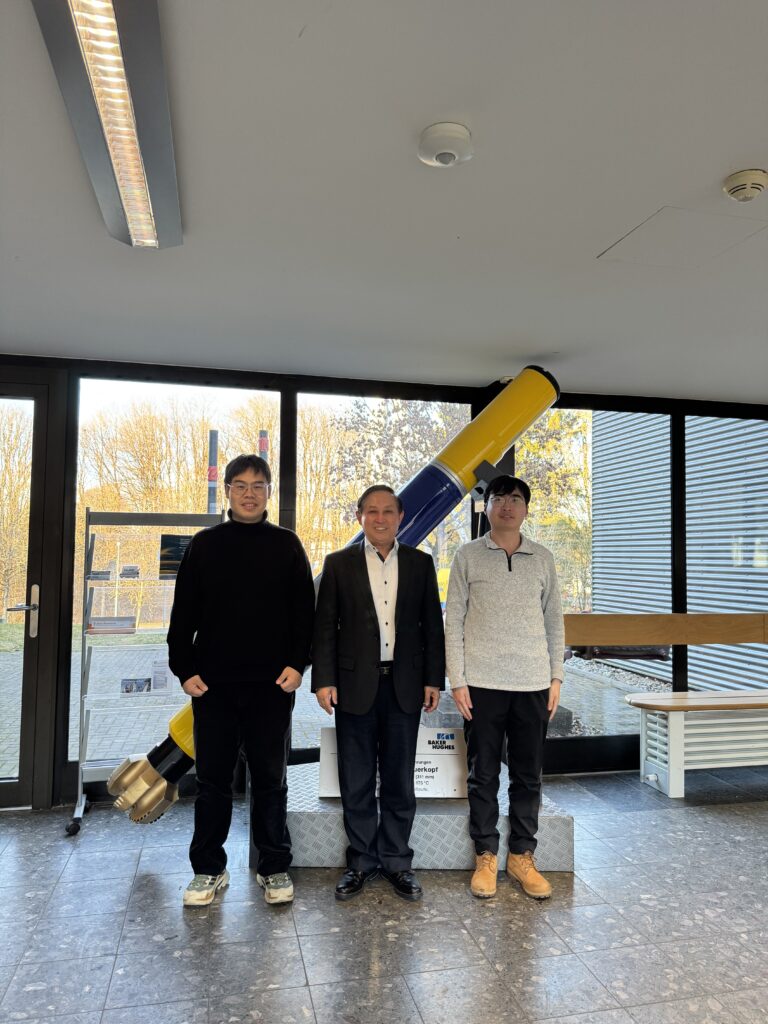
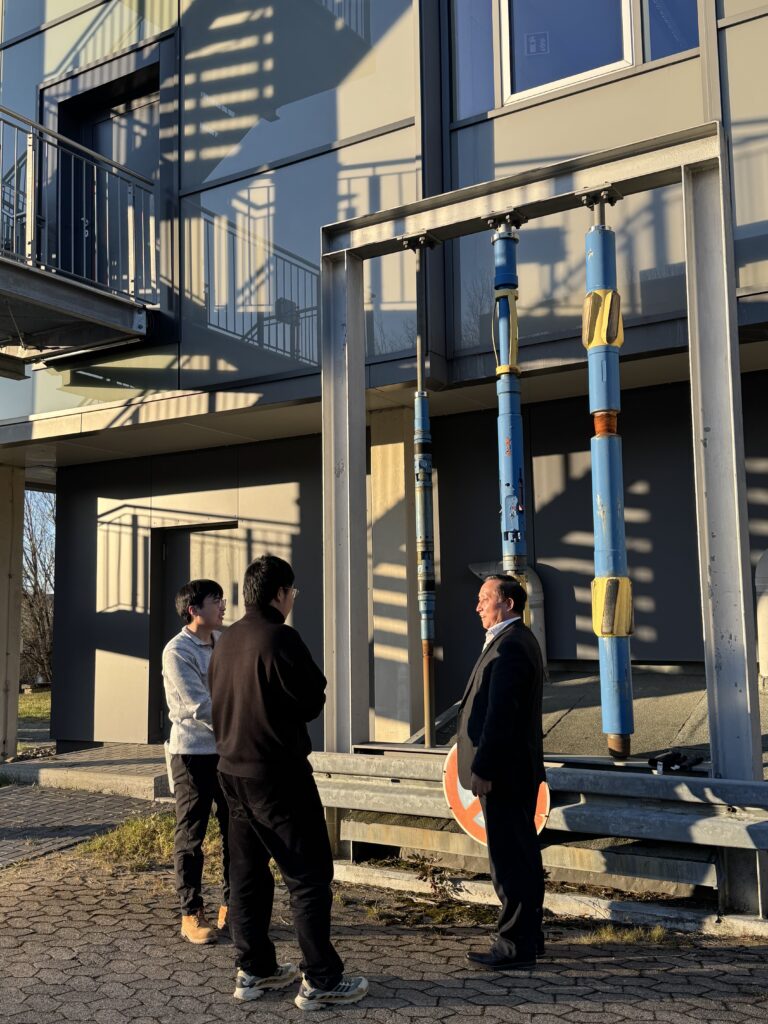
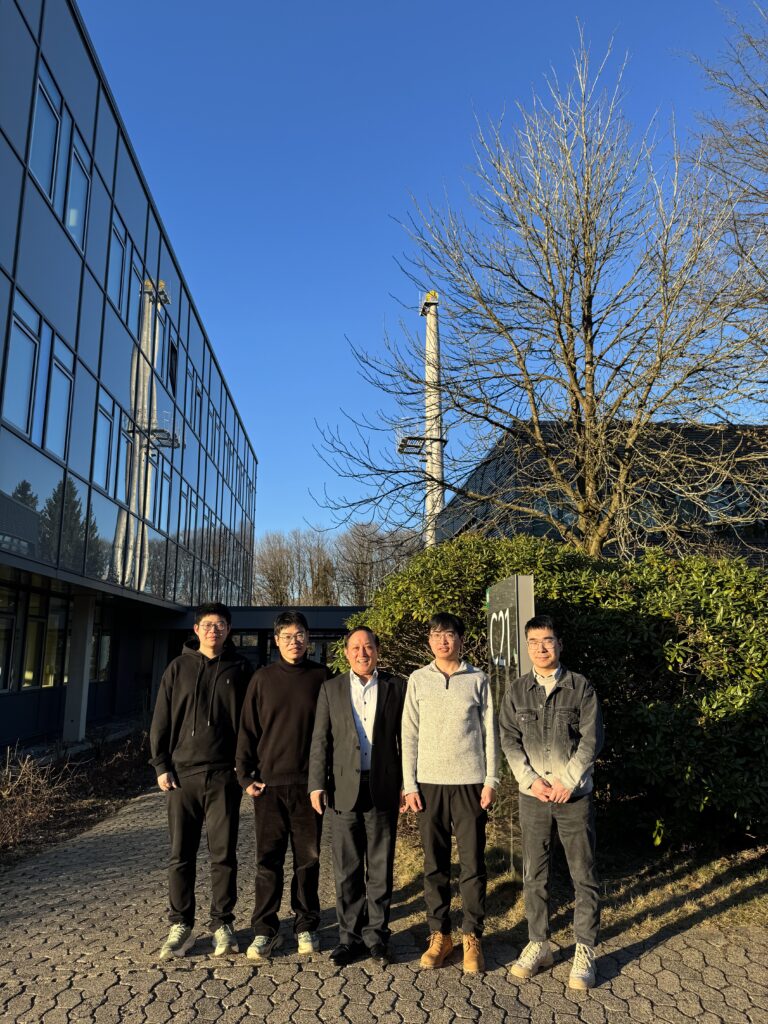
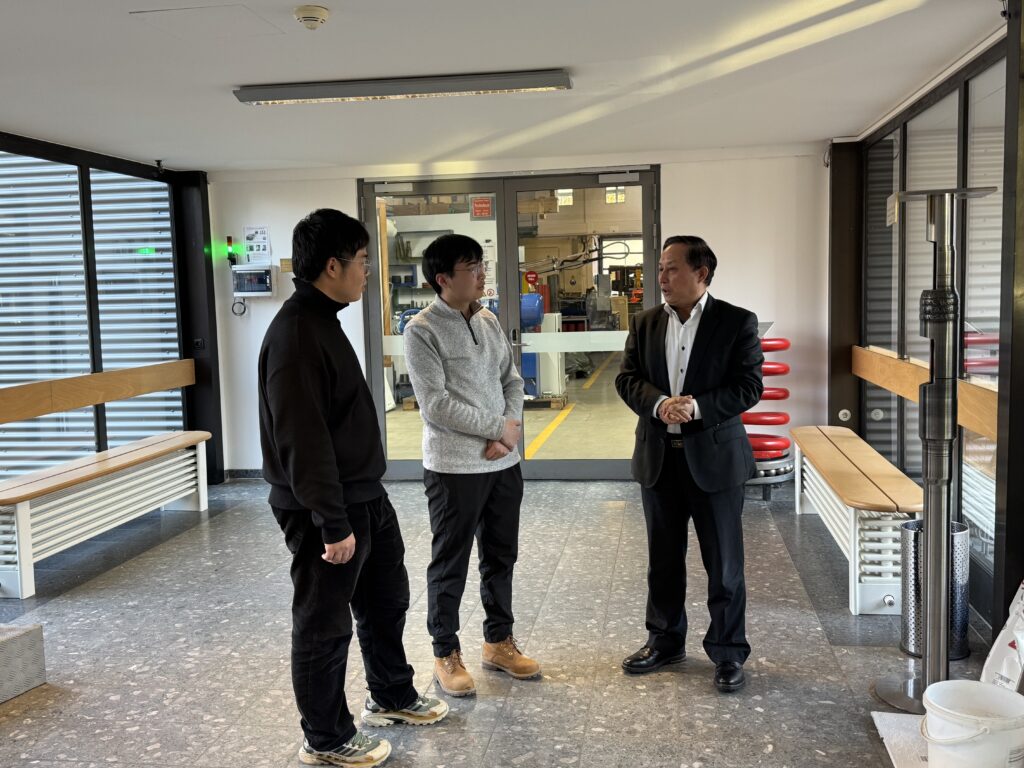
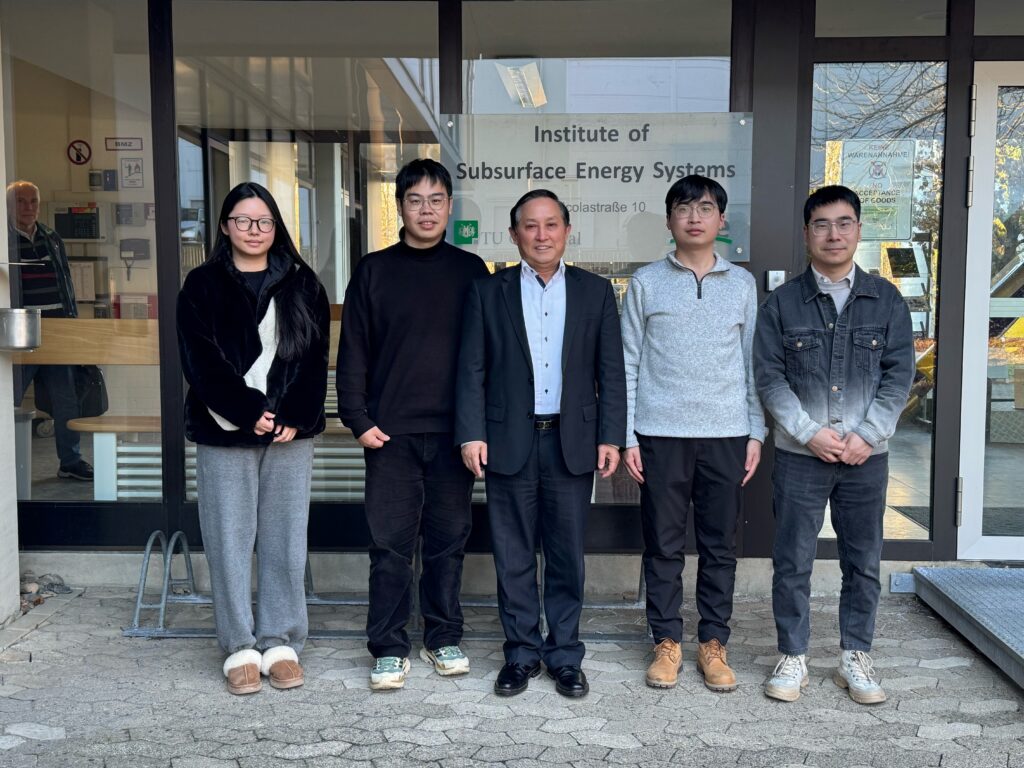
Visit to the Institute of Subsurface Energy Systems, TU Clausthal
3) Academic Presentations and Discussions
The visit also included a series of academic presentations and discussions among Prof. Hou, members of his group, and the visiting students from BOKU University.
Prof. Michael Z. Hou, from the Institute of Subsurface Energy Systems, Clausthal University of Technology, delivered a presentation entitled “Hou/Lux Constitutive Equation and Its Application in Underground Energy Storage.” The talk addressed the constitutive modelling of rock salt and its application to the design and stability assessment of underground energy storage caverns. Key technical points included:
- Creep behaviour of rock salt under complex stress conditions;
- Damage evolution and damage healing in rock salt;
- Identification of dilatancy, damage, short-term strength, and healing boundaries;
- Use of uniaxial and triaxial creep tests for evaluating the long-term stability of underground storage systems.
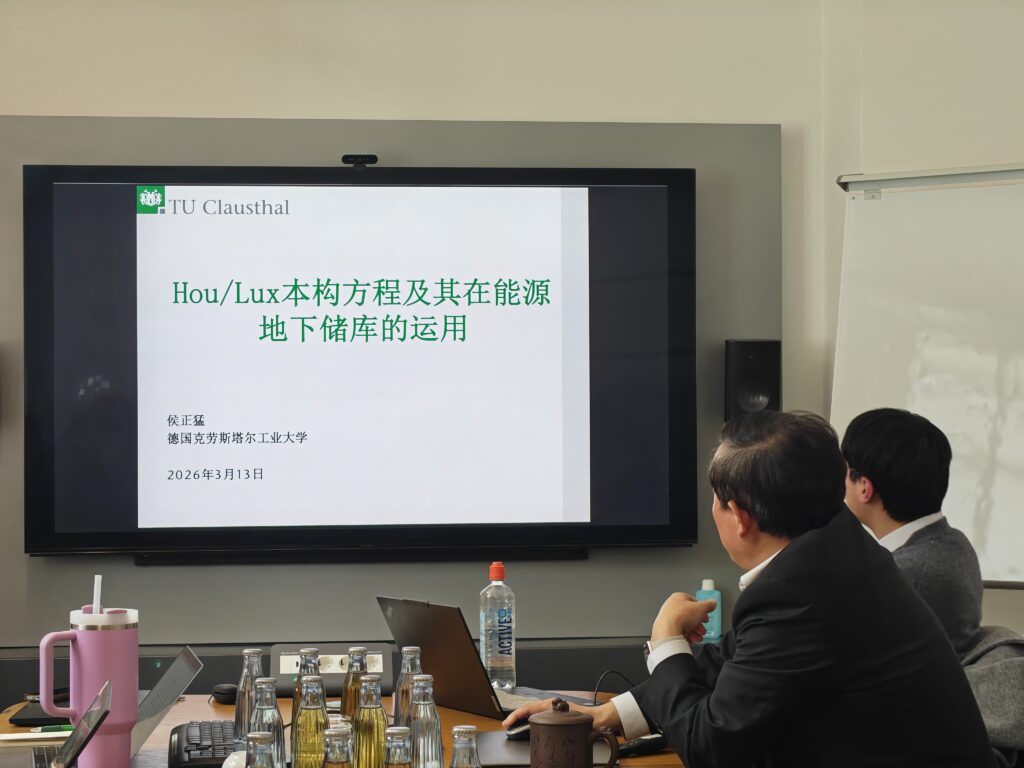
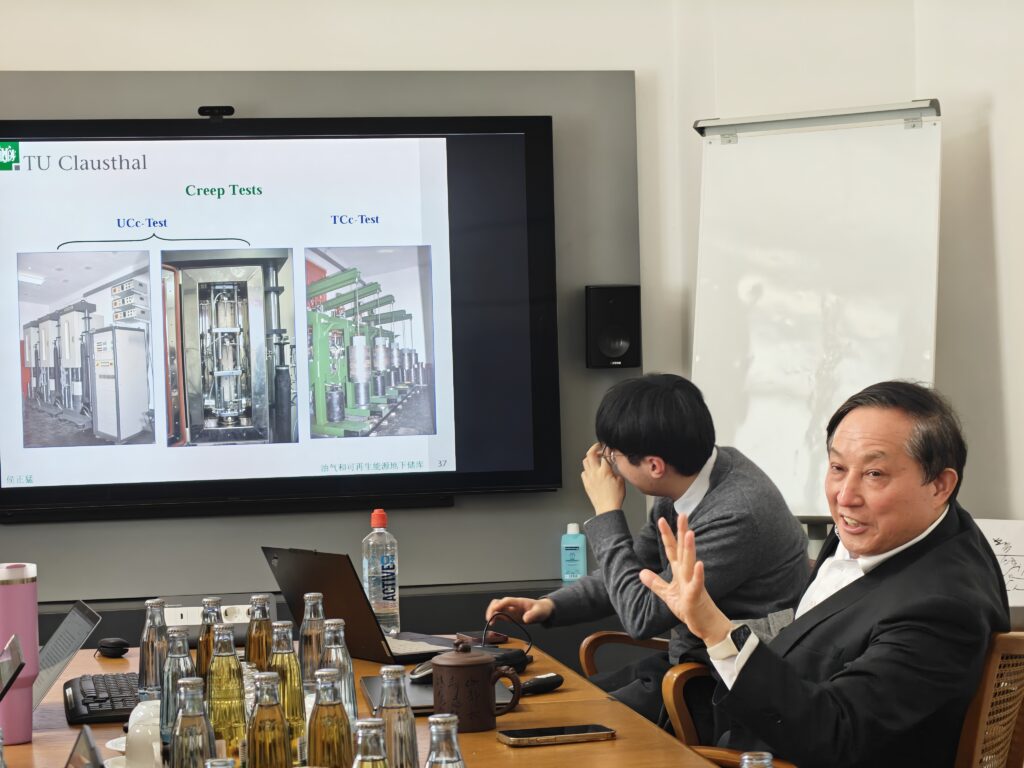
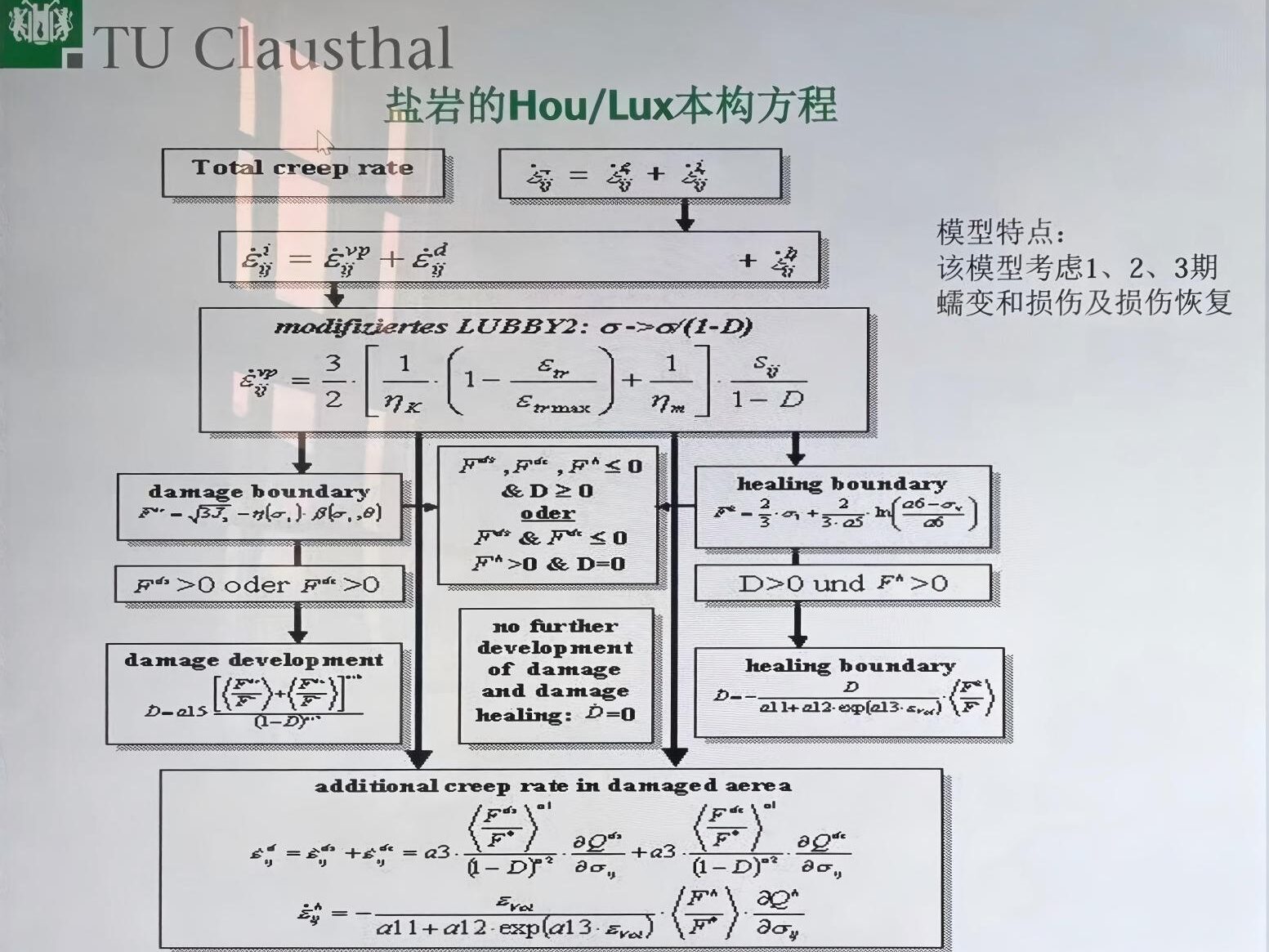
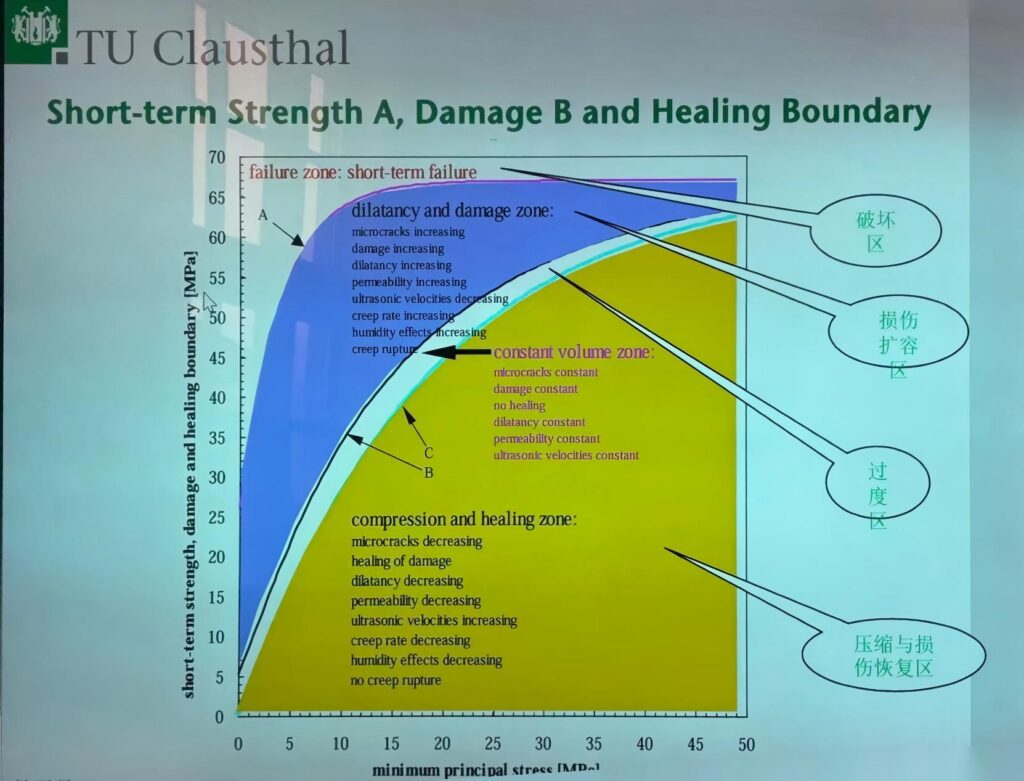
Prof. Hou’s seminar on the Hou/Lux constitutive equation
M.Sc. Shengyou Zhang, from Prof. Hou’s research group at Clausthal University of Technology, delivered a presentation entitled “A Life-Cycle Management Framework for ‘Blue Mines’ Centered on Sustainable Development and Efficient Resource Utilization.” The talk introduced the concept of “blue mines” and discussed sustainable pathways for greener, low-carbon, and resource-efficient mining. Key technical points included:
- Resource-oriented utilization of mining by-products and solid wastes;
- Reuse pathways for tailings, waste rock, coal gangue, steel slag, and other industrial residues;
- Applications in mine backfilling, building materials, road construction, cement replacement, and functional materials;
- Treatment and reuse of mine wastewater through physical, chemical, and biological methods.
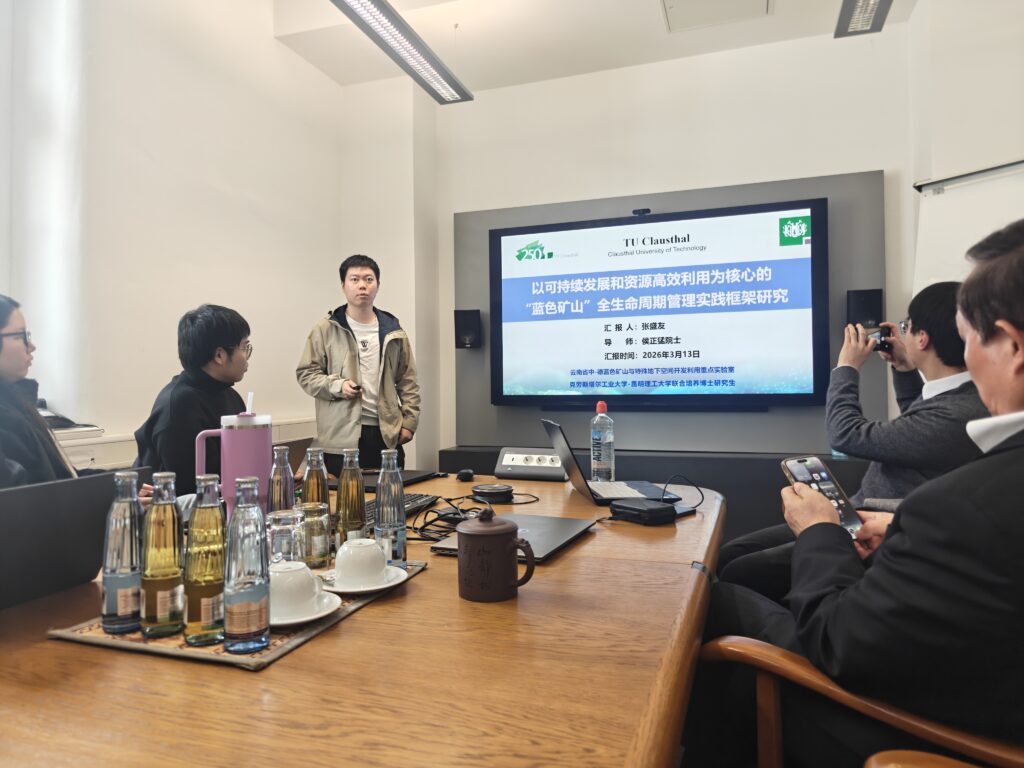
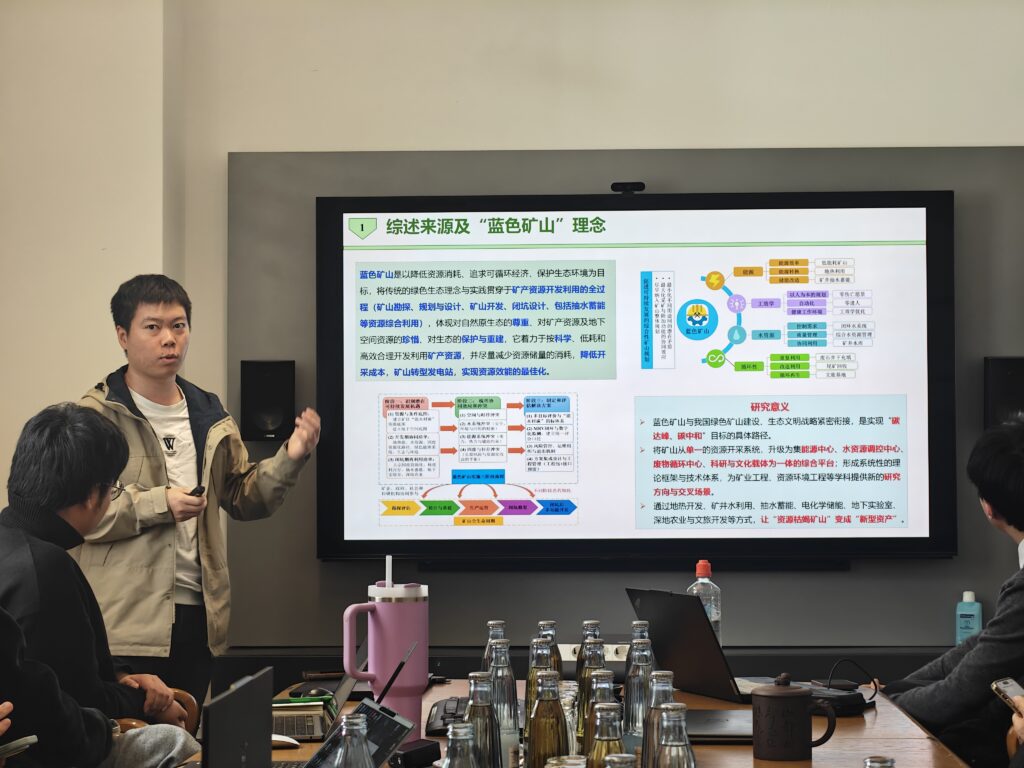
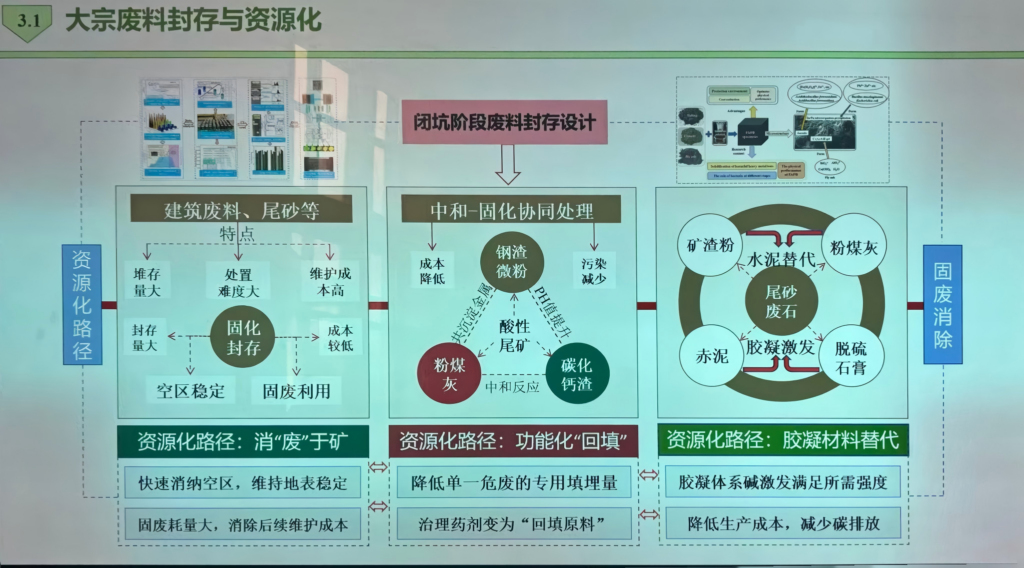
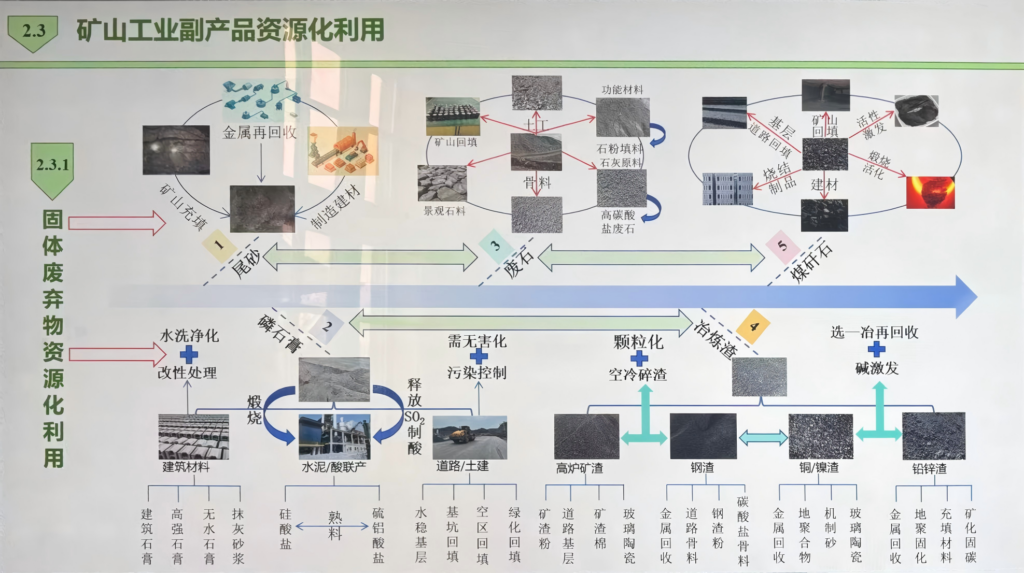
M.Sc. Shengyou Zhang’s presentation on “blue mines”
M.Sc. Jinhua Mao, from Prof. Hou’s research group at Clausthal University of Technology, delivered a presentation on the comparison between near-surface and deep geothermal systems in Germany and the prospects for coupling geothermal utilization with thermal energy storage. The talk addressed the role of geothermal energy in supporting carbon neutrality, low-carbon heating, and stable long-term energy supply. Key technical points included:
- Comparison between ground-source and groundwater-source heat pump systems;
- Engineering constraints and suitable application scenarios for different geothermal systems;
- Heat-supply-oriented hydrothermal closed-loop systems;
- Cost, heat-exchange efficiency, operational stability, site conditions, and engineering risks in geothermal pathway selection.
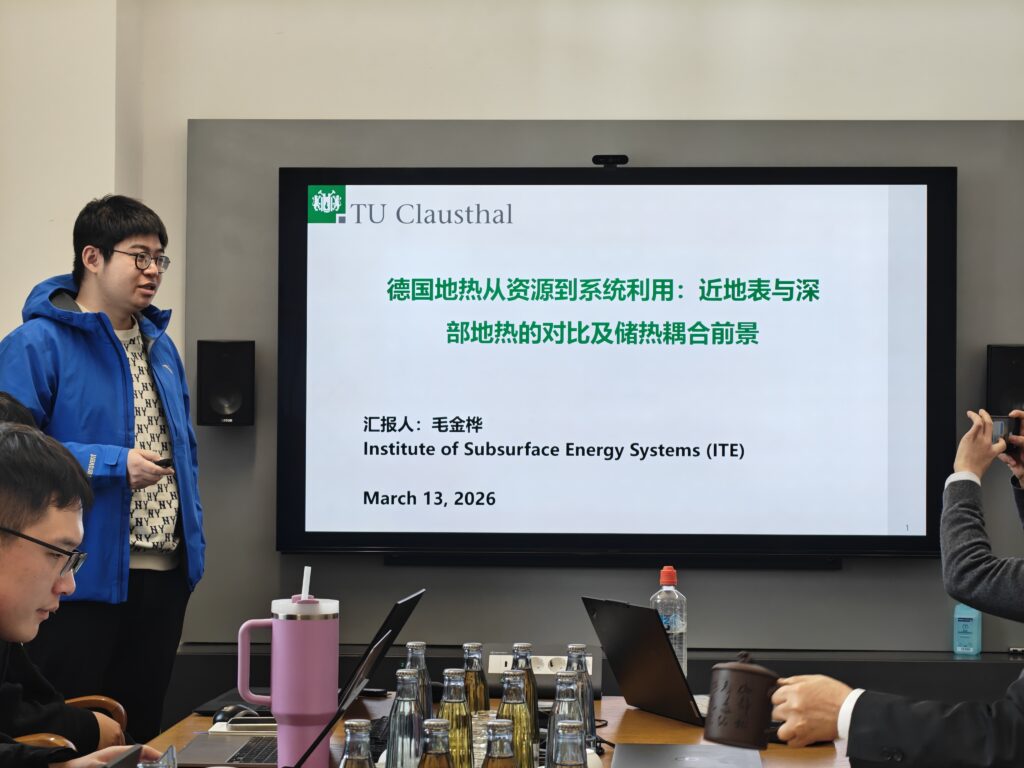
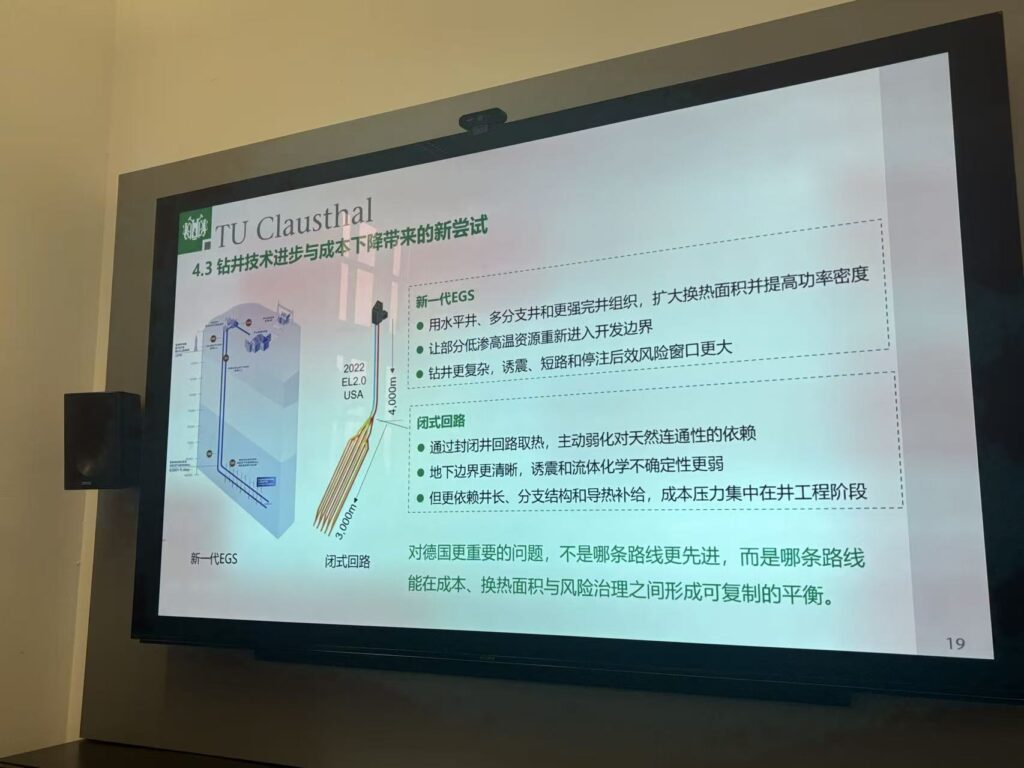
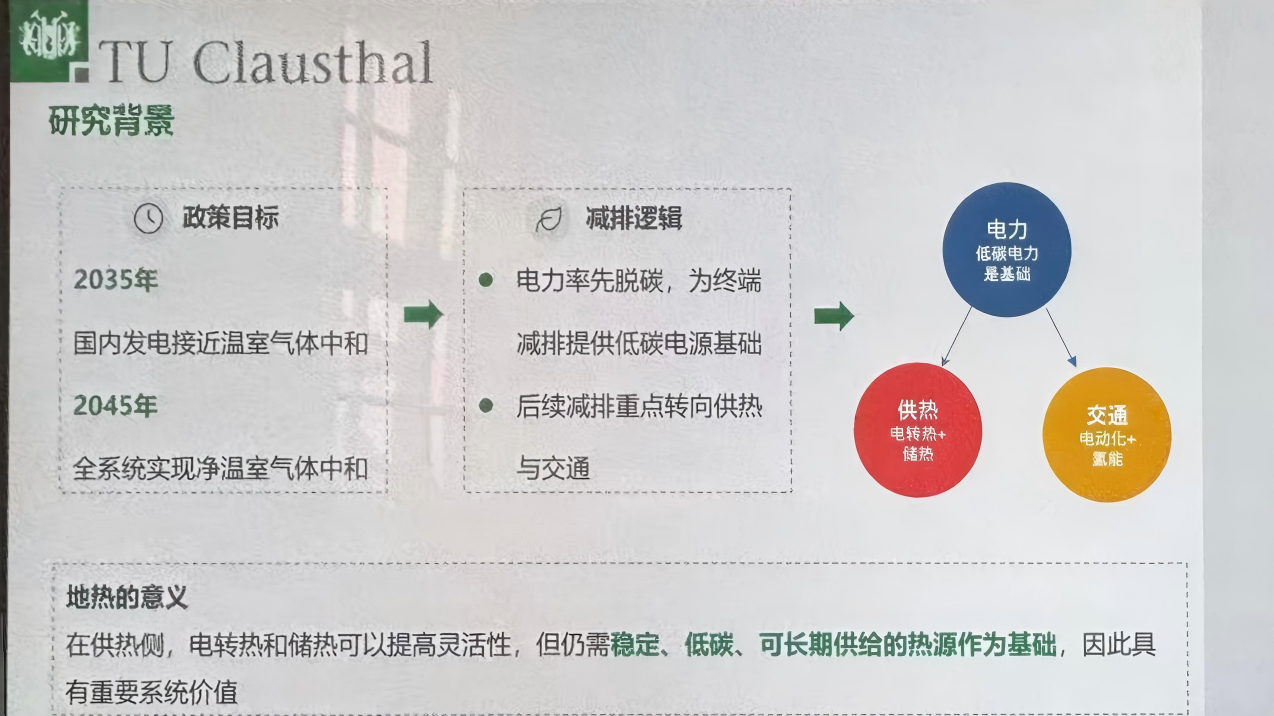
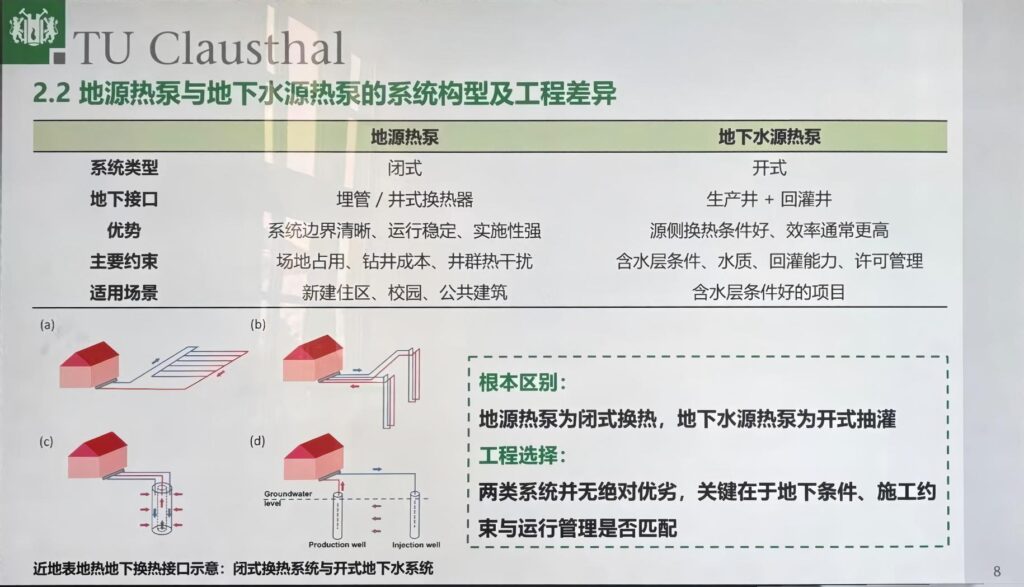
M.Sc. Jinhua Mao’s presentation on geothermal systems
M.Sc. Bicheng Gan, from Prof. Hou’s research group at Clausthal University of Technology, delivered a presentation entitled “Nonlinear Methane Hydrate Formation Kinetics in Oil–Water Emulsions via Experiments and an Interpretable Two-Stage MLP Model.” The talk focused on methane hydrate formation in oil-water emulsions under low-temperature and high-pressure conditions. Key technical points included:
- Experimental investigation of hydrate formation kinetics in oil-water emulsions;
- Effects of salinity, oil-water ratio, solid particle content, and stirring speed;
- Development of an interpretable two-stage multilayer perceptron model;
- Quantification of influencing factors in nonlinear hydrate formation processes.
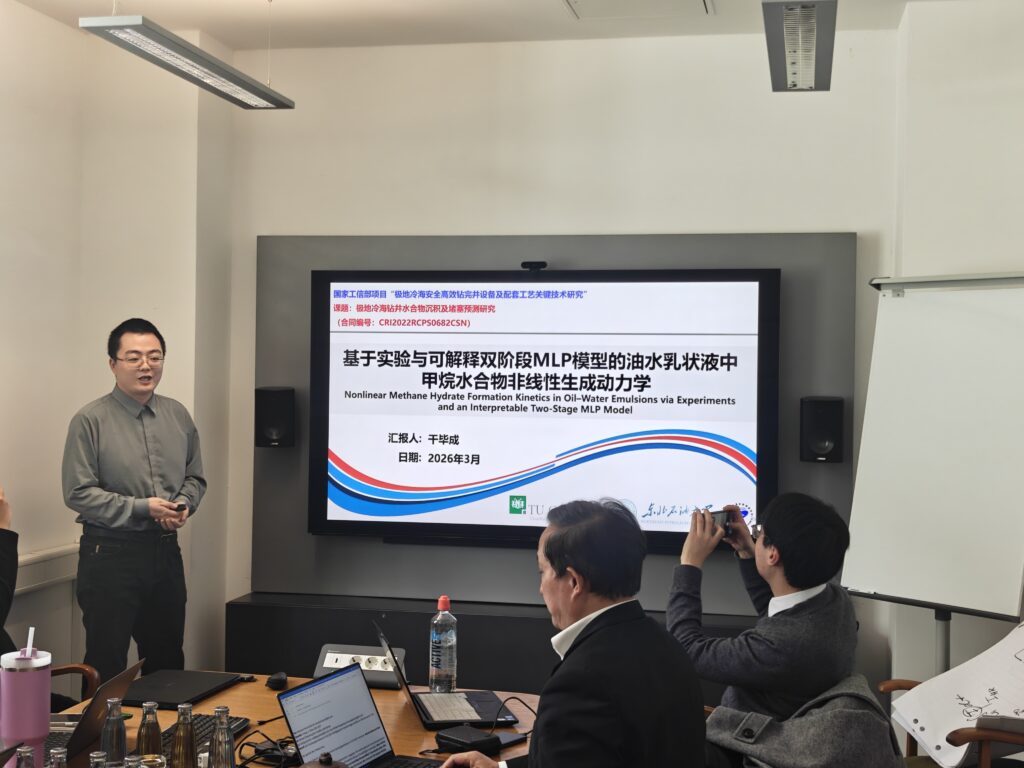
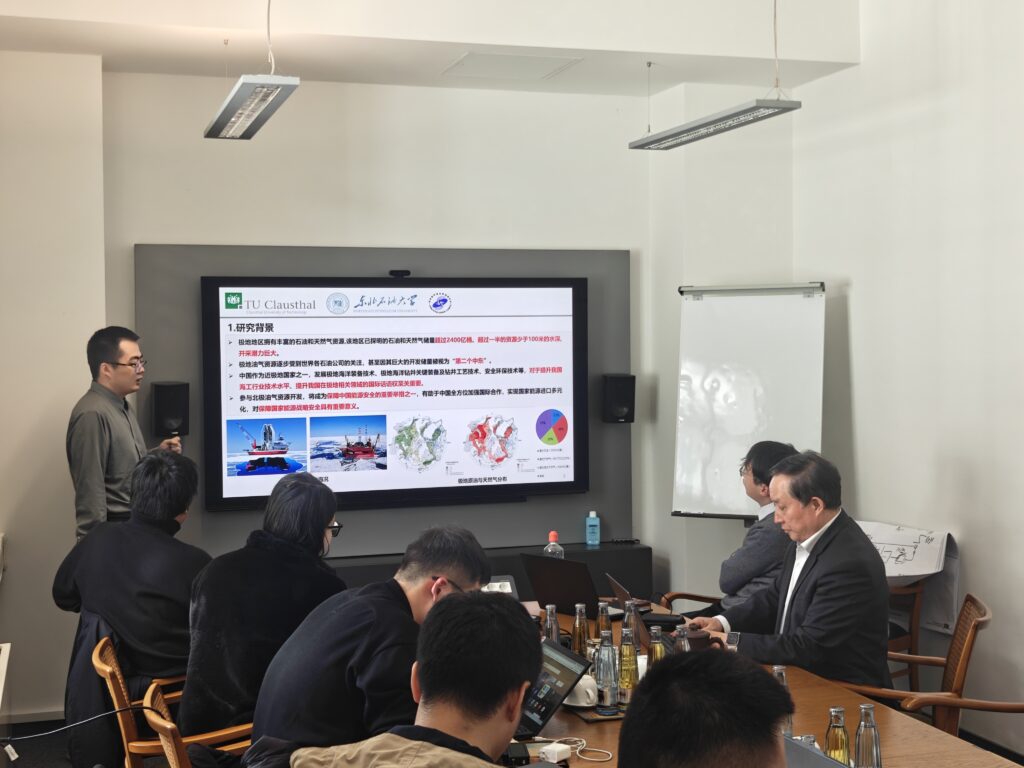
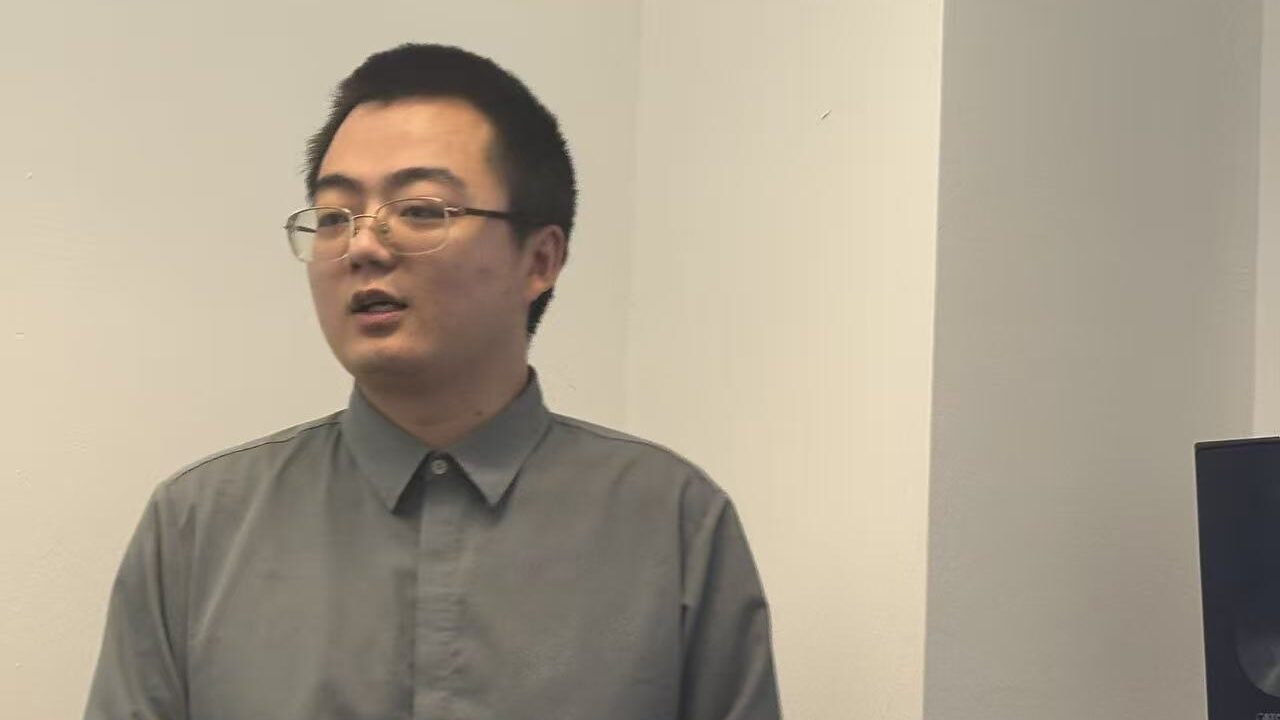
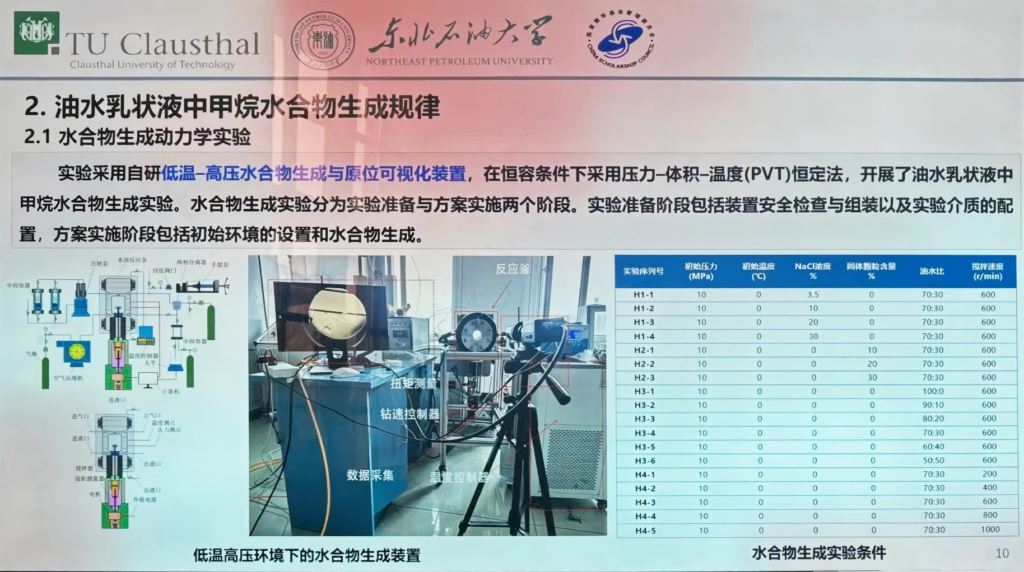
M.Sc. Bicheng Gan’s presentation on methane hydrate formation
M.Eng. Hao Yang, from Prof. Wei Wu’s research group at the Institute of Geotechnical Engineering, BOKU University, Vienna, delivered a presentation entitled “Hypoplastic Model for Hysteresis of Soil-Water Characteristic Curve.” The talk addressed the hysteretic relationship between matric suction and degree of saturation during drying and wetting processes in unsaturated soils. Key technical points included:
- Incremental modelling of SWCC hysteresis within a hypoplastic-type framework;
- Description of main drying and wetting paths using a single parameter set;
- Simulation of hydraulic cycles, air-entrapment effects, and scanning behaviour;
- Validation against experimental SWCC data for different soils.
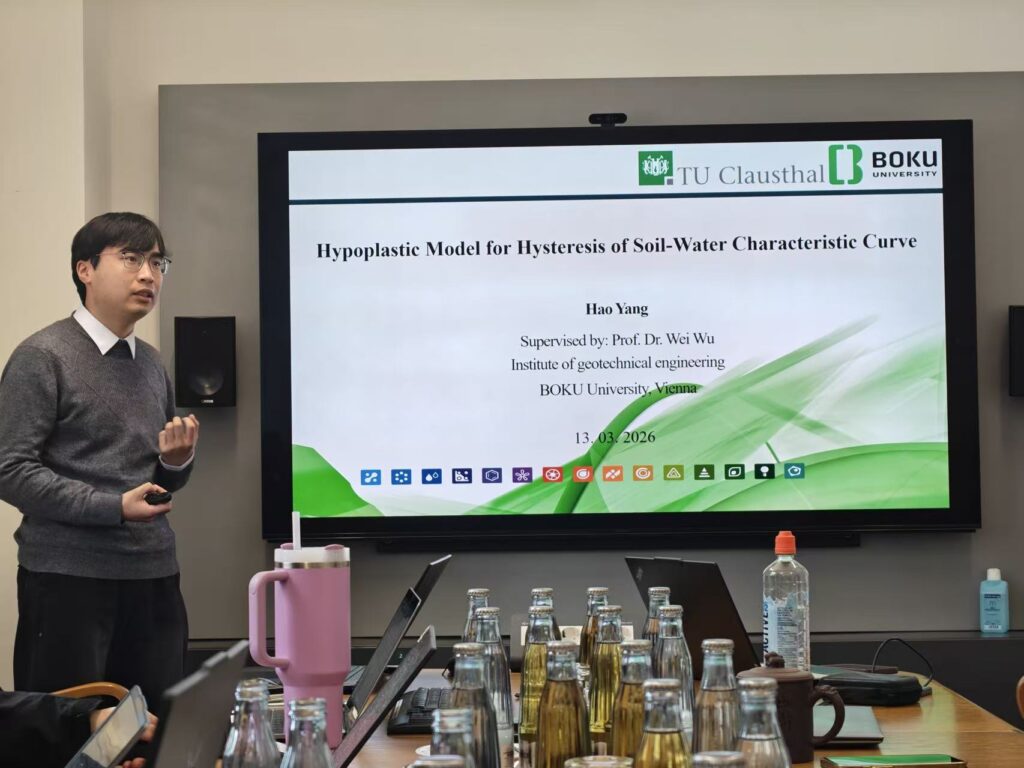
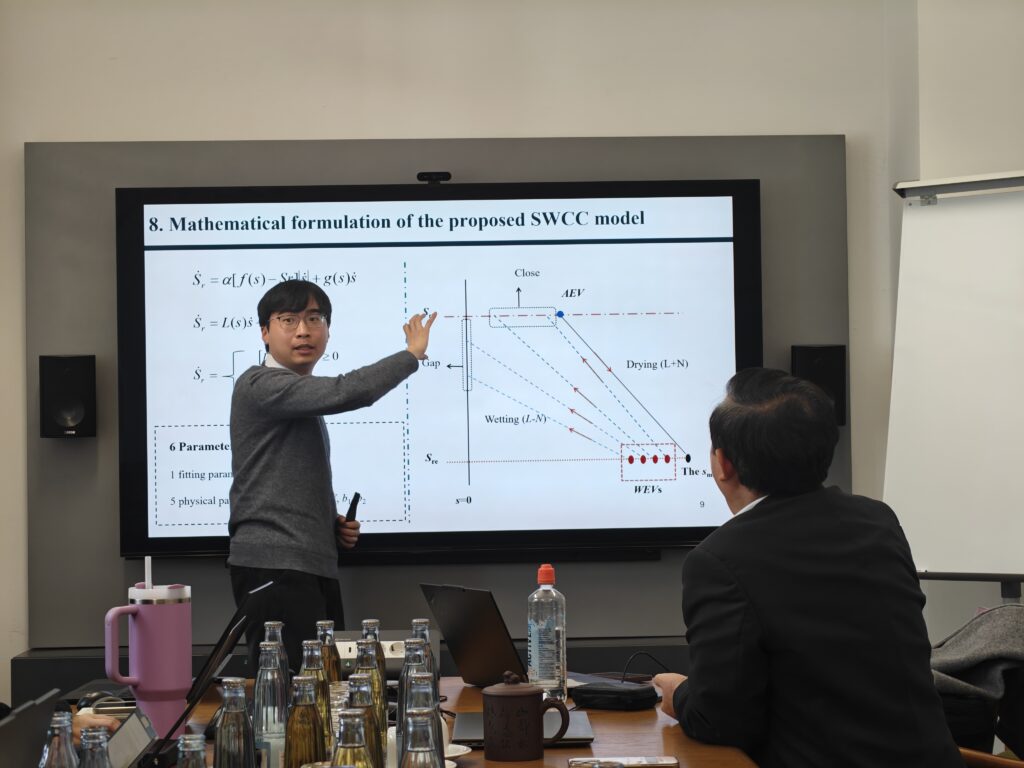
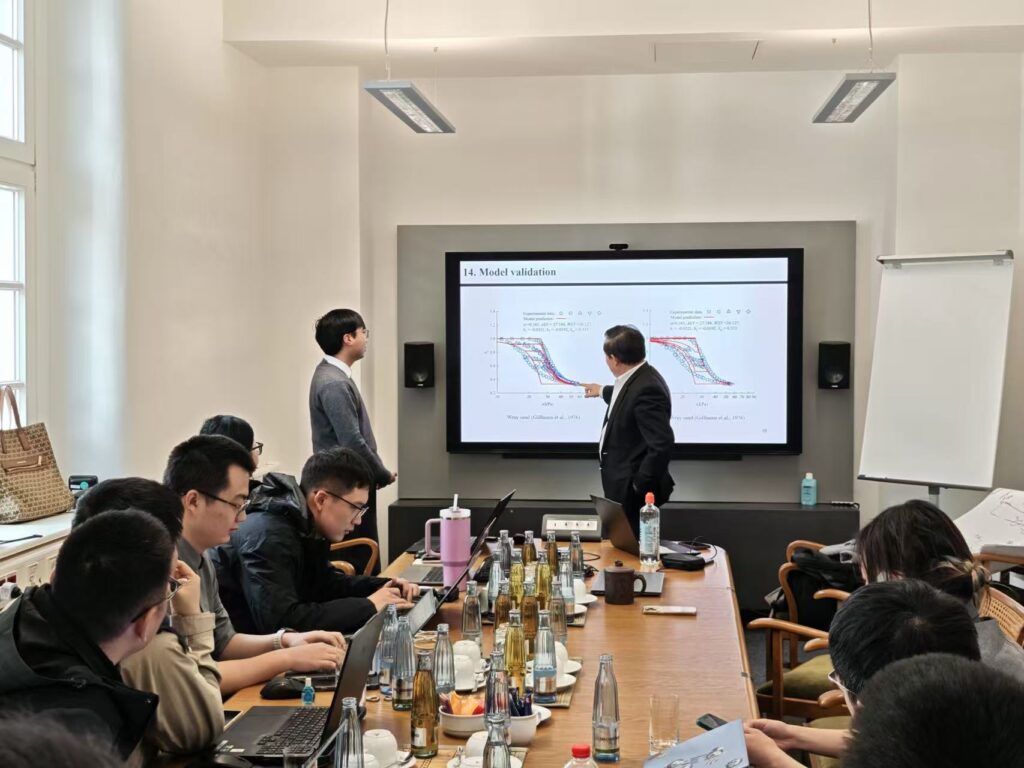
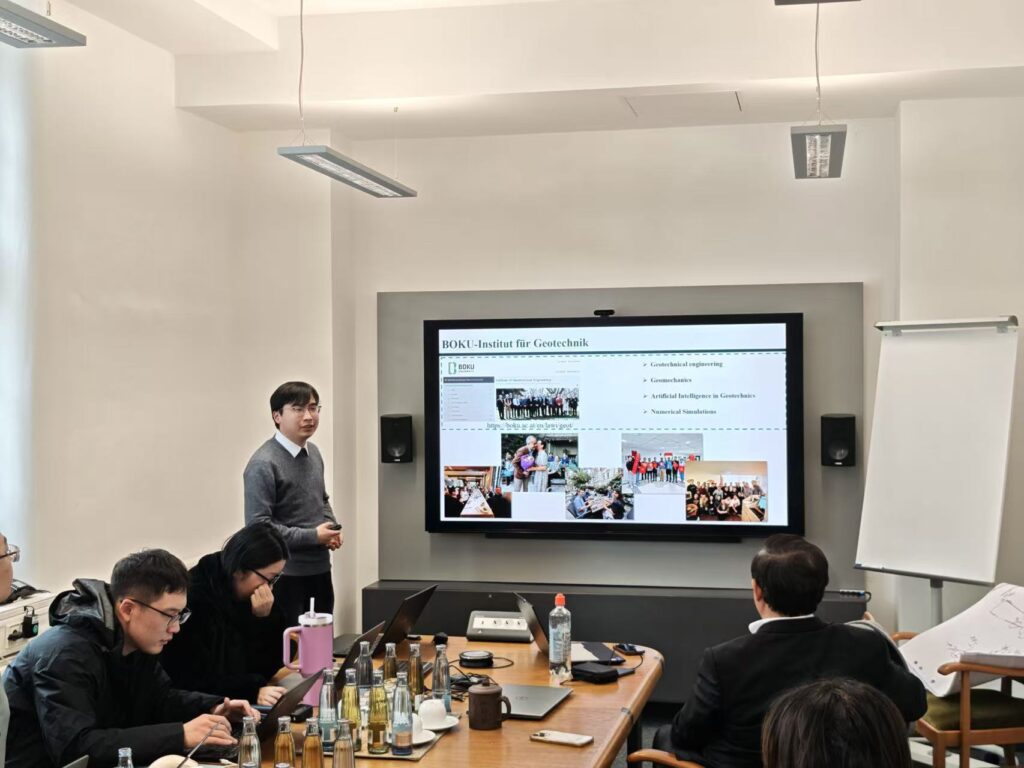
M.Eng. Hao Yang’s presentation on SWCC hysteresis
M.Sc. Hongcheng Jiao, from Prof. Wei Wu’s research group at the Institute of Geotechnical Engineering, BOKU University, Vienna, delivered a presentation entitled “Application of SPH Method and High-Fidelity Simulation of Debris Flow.” The talk focused on the application of smoothed particle hydrodynamics to large-deformation geotechnical problems, particularly debris-flow simulation. Key technical points included:
- Application of SPH as a meshless Lagrangian method for large-deformation problems;
- Modelling of free-surface flow and complex soil-water interaction;
- GPU acceleration for improving computational efficiency in large-scale simulations;
- Integration of hypoplastic constitutive modelling into the SPH framework for granular materials.
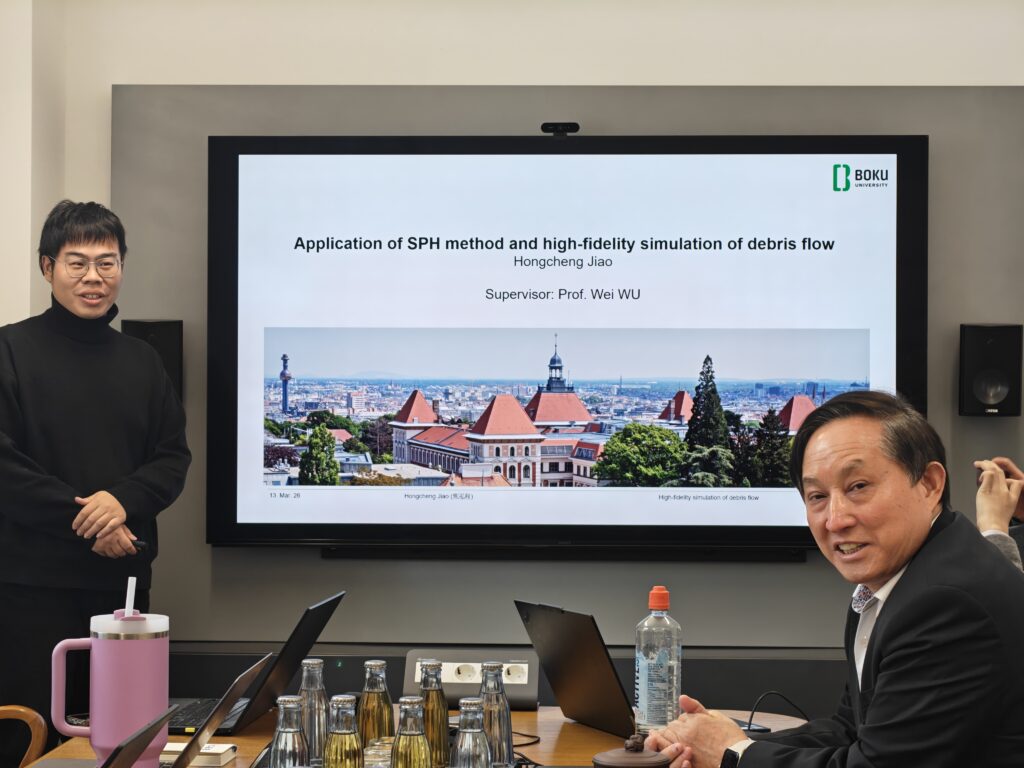
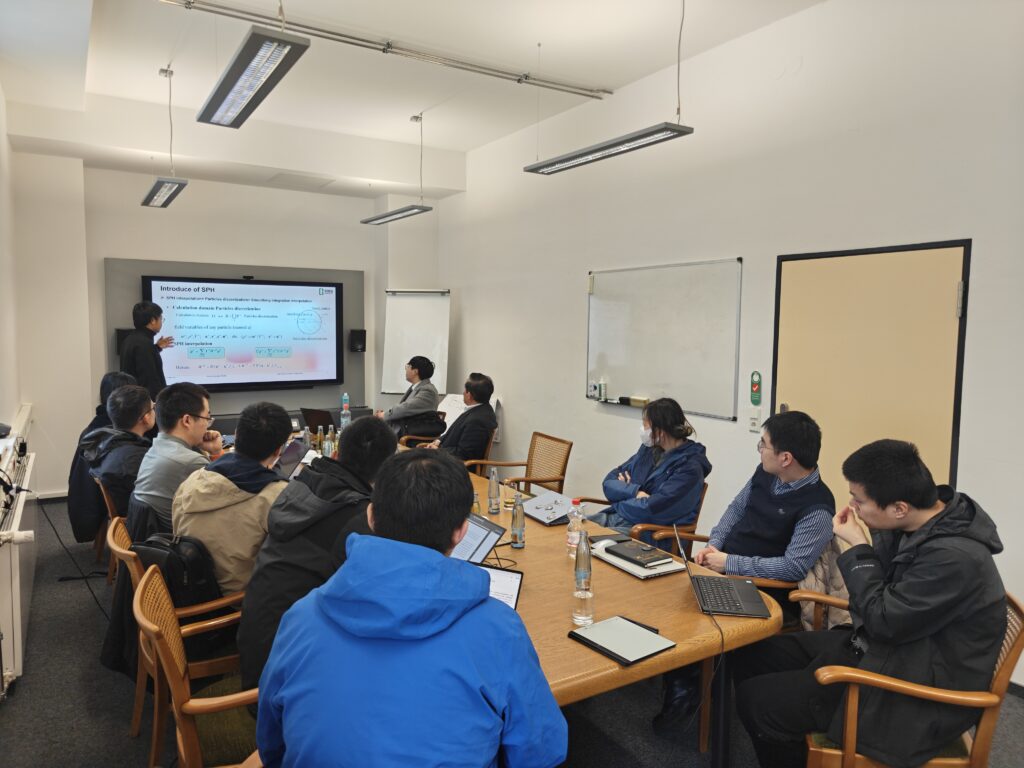
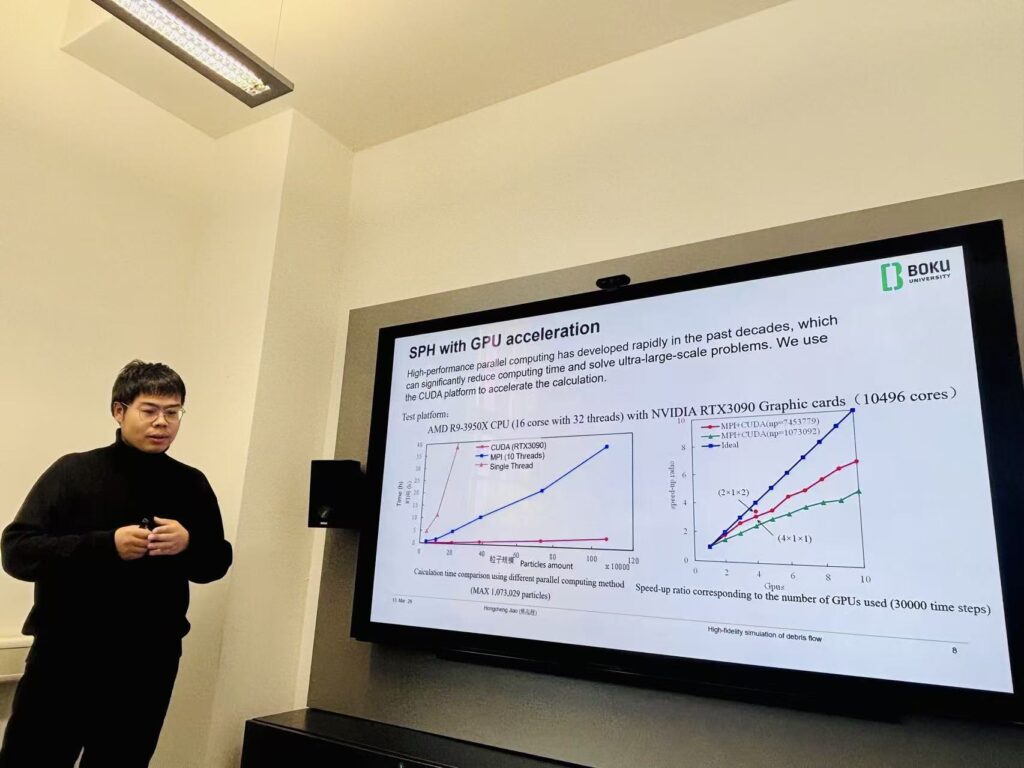
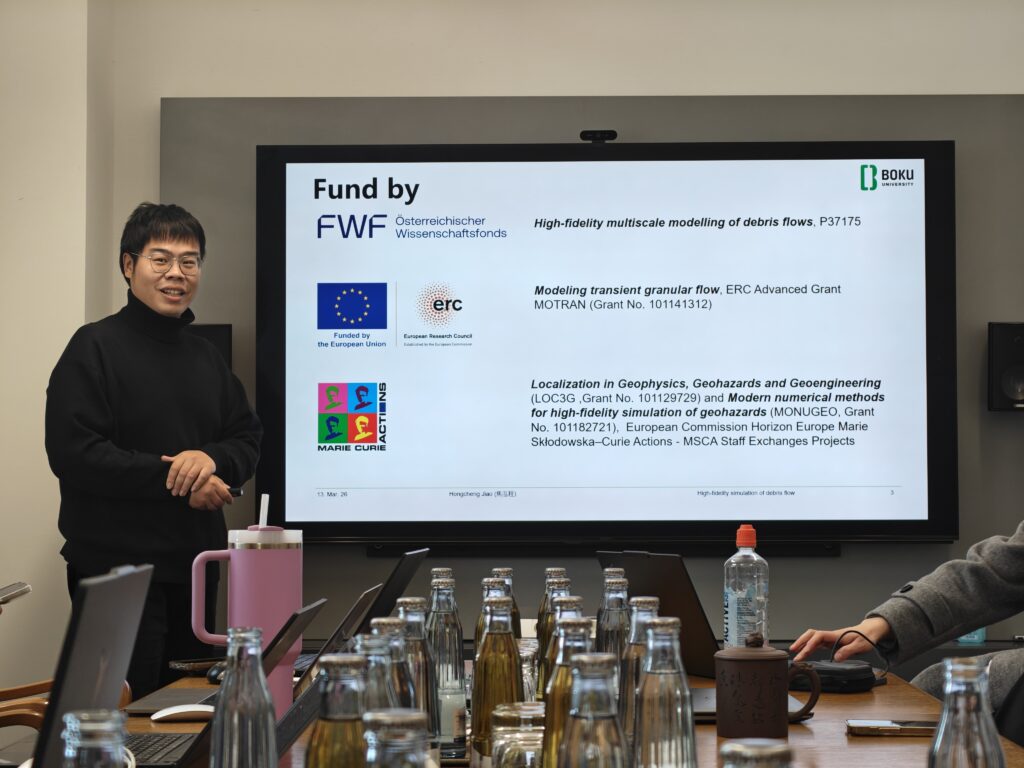
M.Sc. Hongcheng Jiao’s presentation on SPH and debris-flow simulation
4) Outcomes and Future Collaboration
Overall, the visit provided a valuable platform for academic exchange between BOKU University and Clausthal University of Technology. The discussions with Prof. Hou and his group broadened the participants’ understanding of constitutive modelling, laboratory testing, underground energy storage, geothermal systems, methane hydrate formation, unsaturated soil modelling, and advanced numerical simulation in geotechnical and rock engineering.
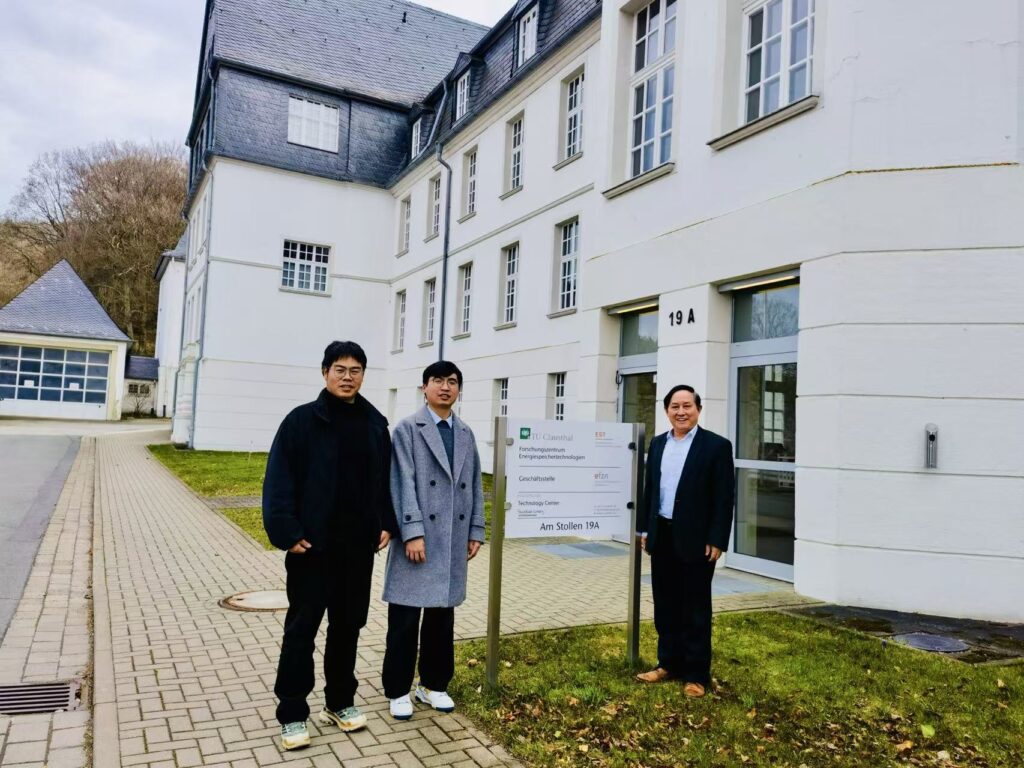
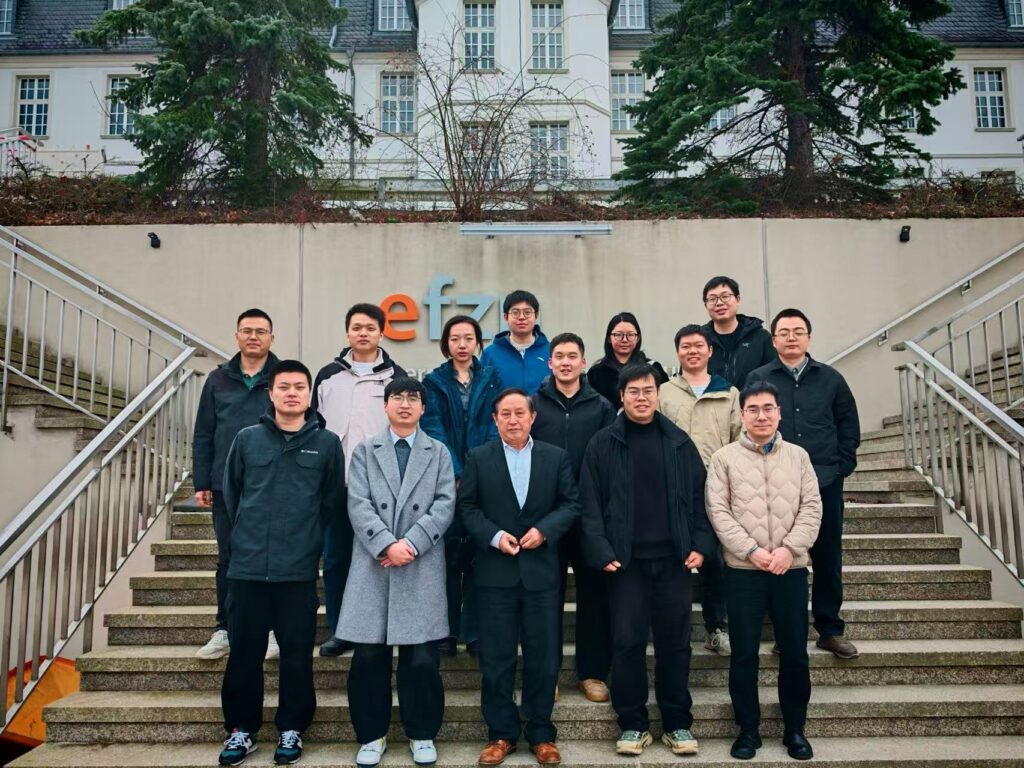
Group photo after the secondment exchange
The secondment strengthened academic interaction between the two institutions and created opportunities for future collaboration within the LOC3G project. It also contributed to knowledge exchange across several interconnected research areas, including rock salt mechanics, subsurface energy systems, sustainable mining, geothermal utilization, hydrate formation, and high-fidelity simulation of geohazards.